
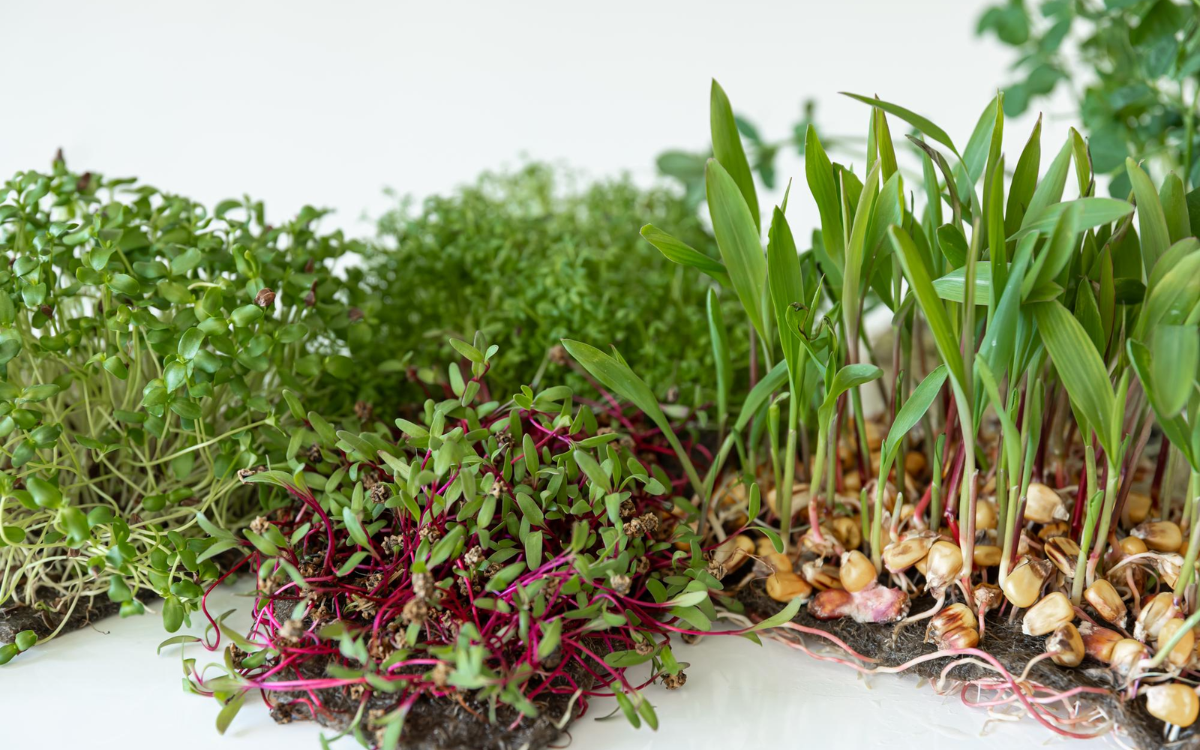
Microgreens are the young vegetable shoots that are harvested just after the emergence of the first leaves.
These small plants are very flavorful, colorful, and highly nutritious. Microgreens include young plants
that originate from vegetables, herbs, and edible flowers such as broccoli, radish, sunflower, mustard,
and basil among others. These small greens are highly nutritious with lots of vitamins and minerals
required for maintaining a healthy lifestyle.
In recent years, there has been an increasing interest in microgreens, making them one of the most
popular superfoods in the world. These highly nutritious greens can be used by anyone from restaurants
to fitness professionals to health-conscious people.
Why are Microgreens so Popular?
Microgreens have become popular for being healthy, fresh, and sustainable all at once. Nutritionally
conscious customers opt for healthy, pesticide-free and nutrient-rich products, and microgreens are
an excellent choice here. These greens are often referred to as “superfoods” due to their high amounts
of nutrients when compared to fully-grown vegetables.
One more advantage is the convenience of growing them. Microgreens can be easily grown in homes without
much effort as they require less water and space. Microgreens are being cultivated in urban houses and
apartments. Students too have started cultivating microgreens. As these crops have a very quick turnaround
time of just 7-14 days, they serve as perfect crops for those starting indoor farming.
Fantastic Health Benefits of Microgreens
Microgreens contain vitamins like Vitamin C, Vitamin K, Vitamin E, and beta-carotene. This is important
for strengthening immunity, good skin, increased energy, and shielding the body from damaging free radicals.
There are microgreens with antioxidants and anti-inflammatories that promote cardiac and digestive well-being.
Broccoli microgreens have cleansing and antioxidant effects, while the sunflower microgreens have a high
content of proteins and beneficial fats. Radish microgreens promote digestion, while pea sprouts are full
of fibers and vitamins. Incorporating microgreens into your regular meals will ensure improved nutrition
without using any supplements.
Popular Types of Microgreens
There is an extensive range of microgreens, with unique flavors and health benefits. Some of the popular
ones are broccoli microgreens which have a mild flavor. Radish microgreens have a spicy flavor, and chefs
use them in salads and sandwiches. Sunflower microgreens have a crisp texture with a nutty flavor,
making them perfect snack options.
Other types gaining popularity among chefs include mustard, basil, pea shoots, kale, beetroot, and
coriander microgreens. Combining different kinds of microgreens is preferred by chefs when preparing
dishes due to the different textures and flavors. In India, the consumption of organic microgreens is
becoming more common among fitness enthusiasts and vegans.
How to Cultivate Microgreens at Home
Cultivating microgreens is easy and does not require much equipment. All you need is seeds, a shallow
container, soil or cocopeat, water, and indirect sunlight. Start by planting the seeds on moist soil
inside a tray. Place the tray in a warm location to allow germination.
In a few days’ time, you will notice sprouting. When the shoots start forming their leaves, move them
to an area that receives sunlight or grow lights. Remember to water the shoots daily for moisture.
After about 7-14 days, you should be able to harvest the shoots. Harvesting is done by cutting the
shoots above soil level.
Microgreens Farming as an Entrepreneurial Venture
Microgreens farming has emerged as a lucrative entrepreneurial venture in India because of the increasing
demands by restaurants, hotels, grocery stores, and health-conscious customers. Microgreens farming
requires fewer resources such as space, water, and initial costs, which have enabled young businessmen
to set up indoor farms at reduced initial capital costs.
Increasing health awareness among people has increased the demand for fresh microgreens. Most vendors
provide door-to-door delivery services along with subscriptions to meet their clients’ needs. With
appropriate marketing strategies, the microgreens farming industry can be scaled up in urban areas
and rural communities.
Best Methods for Using Microgreens in Daily Food
The best way to use microgreens includes incorporating them into your meal for health benefits and
increased flavor. Some of the most common uses for microgreens include salads, sandwiches, wraps,
soups, smoothies, and rice bowls. Gourmet food is usually accompanied by microgreens that serve
as decoration and add flavor to the dish.
The use of sunflower and pea microgreens is common among fitness trainers to boost the protein
content of meals. Detox diets mostly use microgreens of broccoli and kale to support the process.
As a result of being eaten in their raw form, microgreens contain more nutrients than other types of food.
Conclusion
Growing microgreens is more than following a food trend; it is a wise decision from both health and
environmental perspectives. The high nutritional value, rapid growth, and flexibility of use of these
vegetables make them suitable for gardening at home, healthy eating, and profitable business ventures.
Whether you wish to enhance your dietary habits, venture into indoor gardening, or learn about organic
farming, microgreens provide the best starting point.
Given the growing preference for healthy and fresh food products, the popularity of microgreens can be
expected to grow not only in India but around the world as well.