
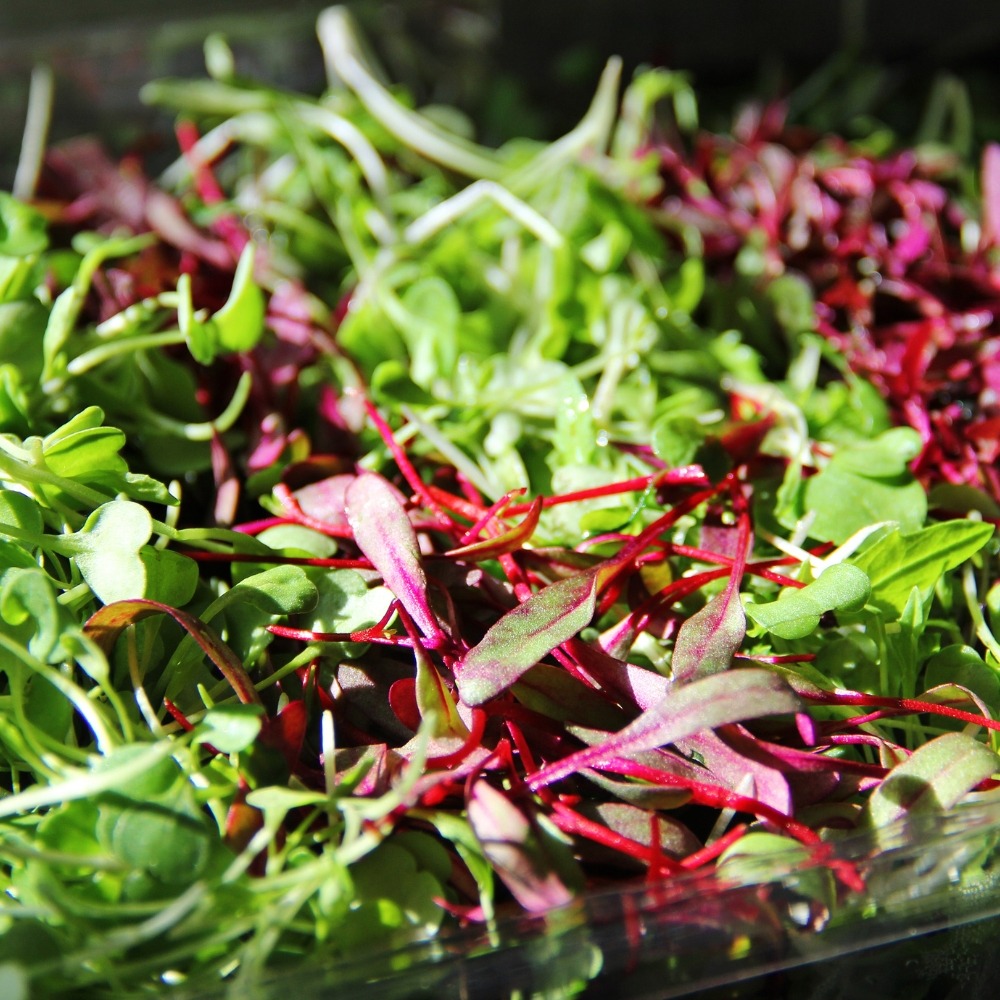
Want fresh greens without needing a large garden? Learning how to grow microgreens at home is a simple way to begin growing food in a small space. Microgreens are young edible plants harvested while they are still small and tender. They can be grown on a balcony, windowsill, kitchen counter, or compact terrace with a few basic supplies.
With quality seeds, a shallow tray, a suitable growing medium, water, light, and regular care, you can create a growing routine at home.
What Are Microgreens?
Microgreens are young seedlings of edible plants harvested at an early stage of development. They are different from sprouts because they are usually grown in a medium and allowed to develop their young leaves before harvesting.
Popular varieties include radish, broccoli, sunflower, pea shoots, mustard, fenugreek, kale, amaranth, and kohlrabi.
Why Grow Microgreens at Home?
Growing microgreens can make home gardening accessible to almost anyone. If you live in an apartment or have limited outdoor space, you can still grow fresh greens without creating a full vegetable garden.
The short growing cycle is another advantage. Instead of waiting for months for a vegetable to mature, many microgreens are ready for harvesting within a couple of weeks, depending on the variety and conditions.
What You Need to Get Started
You only need a few supplies to begin growing microgreens in India.
Quality Microgreen Seeds
Choose seeds suitable for edible microgreen production. Beginners can start with radish, mustard, broccoli, sunflower, pea shoots, or fenugreek.
Shallow Growing Tray
A clean, shallow tray is ideal. Drainage holes are useful because excess water needs to escape.
Growing Medium
Cocopeat, a suitable soil mix, or a dedicated growing mat can provide support for the roots. The medium should retain moisture without becoming waterlogged.
Water and Spray Bottle
Clean water is essential. A spray bottle makes it easier to moisten the surface gently, especially during germination.
Light
After germination, seedlings need adequate light. Natural light may be sufficient in a bright location. If indoor light is limited, a suitable grow light can help.
How to Grow Microgreens at Home Step by Step
Step 1: Prepare the Tray
Clean the tray before use. Add an even layer of growing medium and gently level it. Avoid pressing the medium too tightly because roots need air as well as moisture.
Moisten the medium so it is damp but not soaked.
Step 2: Sow the Seeds
Spread the seeds evenly across the surface. Avoid creating thick piles because overcrowding can reduce airflow and make moisture management difficult.
Gently press the seeds into the medium so they make good contact. Do not bury them deeply unless the instructions for that variety recommend it.
Step 3: Maintain Moisture
Check the tray regularly rather than following a strict watering schedule. The growing medium should remain appropriately moist, but standing water should be avoided.
Overwatering is a common beginner mistake. Excess moisture can create an unhealthy environment and may encourage mould.
Step 4: Allow Germination
Place the tray in a suitable location and give the seeds time to germinate. The exact speed varies by variety, temperature, moisture, and seed quality.
Step 5: Provide Suitable Light
Once seedlings appear, move the tray into a bright area. Adequate light helps plants develop stronger stems and better colour.
If seedlings become unusually tall, thin, or pale, check the lighting conditions. An appropriate grow light can be useful when natural light is insufficient.
Step 6: Maintain Airflow
Good airflow is important, especially when growing microgreens in India during warm or humid weather. Avoid keeping the tray in a completely stagnant area.
Do not keep the growing medium constantly wet. Observe the plants and adjust watering according to their condition.
Step 7: Harvest Carefully
Many microgreens can be harvested within about 7–14 days, although the ideal time depends on the variety and growing environment.
When the plants reach the desired stage, use clean scissors to cut them just above the growing medium. Handle the harvested greens carefully and follow appropriate food hygiene practices.
Best Microgreens for Beginners
If you are new to microgreens, begin with varieties that suit your taste.
Radish microgreens have a peppery flavour and work well in salads and sandwiches. Sunflower microgreens offer a mild flavour and satisfying texture. Pea shoots are fresh and slightly sweet.
Mustard is useful when you prefer a stronger, spicy taste. Broccoli and fenugreek are also versatile choices for home growing.
Greenu offers a range of microgreen seeds and growing products, including varieties suitable for beginners and different culinary uses.
Common Mistakes to Avoid
Overwatering
Too much water does not make microgreens grow faster. Keep the medium moist and provide drainage.
Poor Lighting
Weak light can cause stretched or pale seedlings. Move the tray to a brighter location or consider a suitable grow light.
Overcrowding
Sowing too many seeds in one place can reduce airflow. Spread seeds as evenly as possible.
Poor Cleanliness
Clean trays, hands, tools, and growing materials are important because microgreens are grown for consumption.
Starting Too Big
Do not begin with many varieties at once. One or two trays are enough to understand the process and identify what works in your home.
How to Use Microgreens at Home
One reason people enjoy microgreens at home is that they can be added to everyday meals. Use freshly harvested greens in salads, sandwiches, wraps, omelettes, soups, grain bowls, or as a colourful topping.
Tips for Growing Microgreens in India’s Climate
India has different temperatures and humidity levels across regions, so your growing routine may need seasonal adjustments.
Give seedlings adequate light and avoid unnecessary watering. During hot weather, protect trays from excessive heat and monitor moisture more carefully.
Final Thoughts
Learning how to grow microgreens at home does not require a large garden or advanced experience. Start with a tray, quality seeds, a suitable growing medium, water and light. Once you understand the needs of your first crop, you can gradually try new varieties.
For anyone interested in growing microgreens in India, this is an approachable way to begin home gardening. A small corner of your home can become a productive growing space with regular care and attention.
Microgreens may be small, but growing them can make fresh food and gardening feel much more accessible.
Frequently Asked Questions
-
How long do microgreens take to grow?
Many varieties are ready in around 7–14 days, but harvest time varies according to the seed type and growing conditions.
-
Can I grow microgreens without a garden?
Yes. A balcony, windowsill, kitchen counter, or suitable indoor area can work if there is adequate light and airflow.
-
Which microgreens areeasiestfor beginners?
Radish, mustard, sunflower, pea shoots, broccoli, and fenugreek are practical varieties to try when starting.
-
How often should I water microgreens?
Check the growing medium regularly. Water when needed and keep it moist without allowing standing water.
-
What can I do with harvested microgreens?
Add them to salads, sandwiches, wraps, soups, eggs, grain bowls, or other everyday dishes for fresh flavour and texture.